





























Sunshine and seed bombs? Actually, they do go together. Students have an opportunity to connect with peers and restore the beauty of the SUNY Old Westbury campus with these small bundles of joy.
Seed the Change will take place on Wednesday, May 6, from 1:30 to 2:30 p.m. in the Campus Center Atrium. The event is hosted by the Environmental Sustainability and Melittology Club.
The atrium will transform into a hub where students can gather for a hands-on seed bomb workshop. These small, biodegradable globes are made from a precise mix of clay, compost and native seeds. Seed bombs are designed to restore local biodiversity.
While the physical goal of this workshop is to enhance the campus landscape, it serves a dual purpose, providing a significant impact on student mental health and environmental ingenuity.
Exposure to green spaces results in mental restoration and increased positive emotions and decreased anxiety and rumination. Improved mindfulness can result from exposure to green space as well, according to Harvard School of Public Health. For college students, engaging with nature through seed bombing provides a sensory remedy for the pressure of final exams and academic hardship.
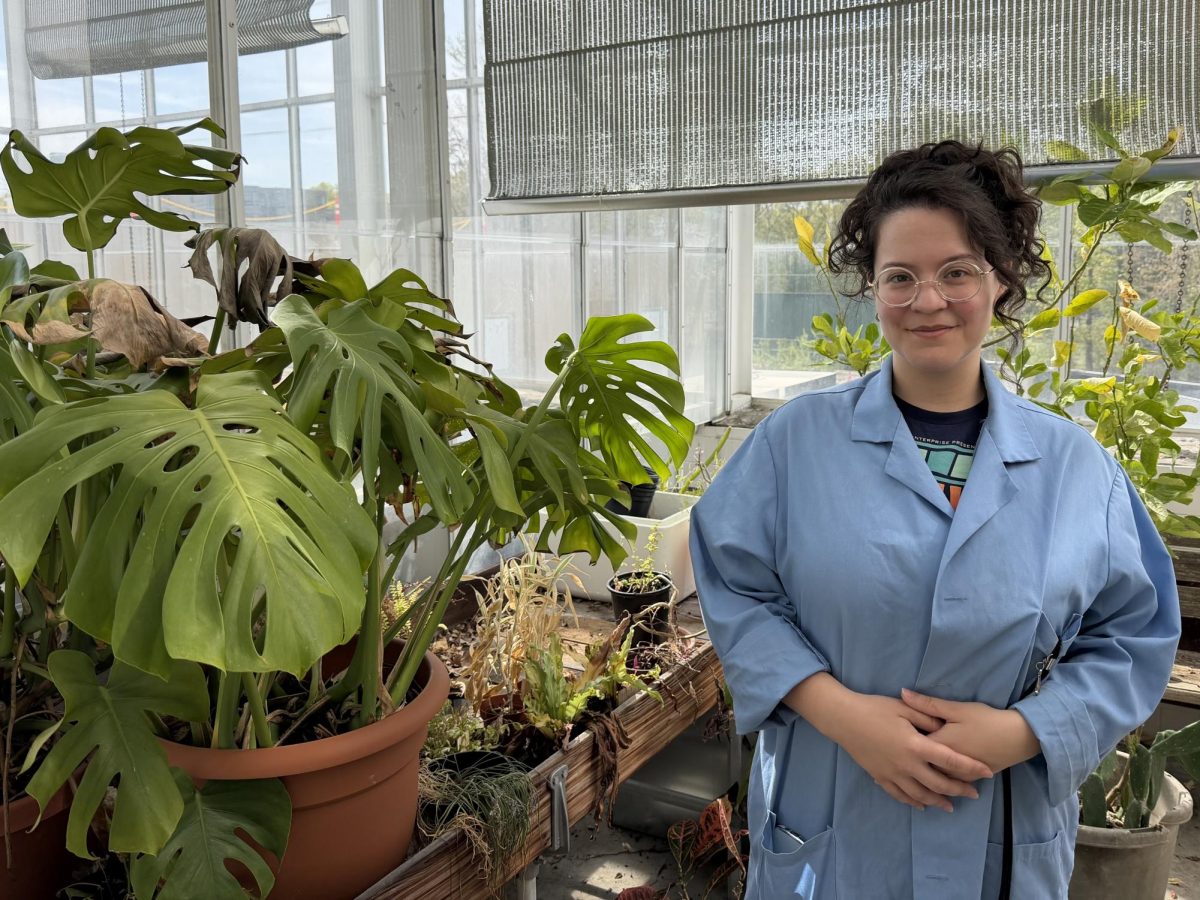
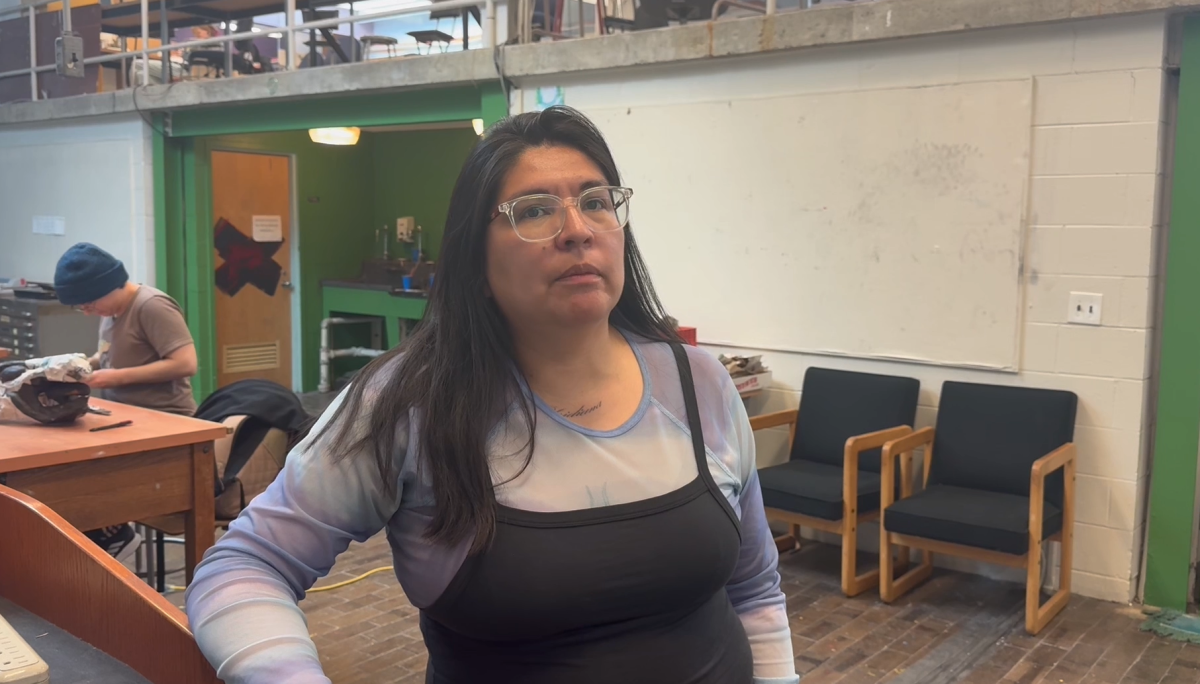
“These seed bombs help with an urban setting by providing a chance,” said Nikki Rodgers, a chemistry laboratory technician at SUNY Old Westbury. “A chance by providing survival for those seeds, by giving them the nutrients, by giving them protection.”
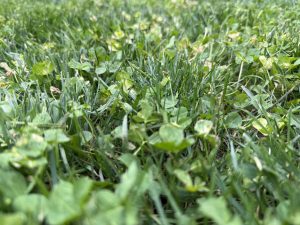
Beyond restoration for local biodiversity, Seed the Change serves a more profound purpose. With the end of the semester and final exams approaching, the event motivates students to connect with their bodies and foster mindfulness towards the environment.
“We release a good amount of good dopamine and good chemicals in our body, and it allows us to regulate our nervous system, reducing fatigue, and allowing us to reset in a sense,” said Rodgers.
A 2024 study from Georgia Southern University found that academic libraries can create a conducive learning environment by providing natural lighting and it emphasizes the role that environmental factors can play.
“It helps us increase physical, mental and emotional stabilization of our body by just having access to sunlight and green spaces,” said Rodgers.
In terms of mental restoration, an article that included researchers at Cornell University, said college students talked about the importance of light and views from interiors because that is where they spend the majority of their time, both studying and working. The research also said that students expressed wanting to see more blurring between the indoors and out, with interior gardens or plantings, and windowed areas that lead out to natural courtyards.
“Everything connects in a giant web,” said Rodgers. “You end up creating inclusion, equality, and humanitarianism. You create just general academic flourishment.”
Events like Seed the Change emphasize the importance of students’ mental health and the ability workshops like these have to create a welcoming environment, carrying out activities to get students one-on-one time with nature.
“It helps us decrease our kind of stress levels,” said Rodgers. “It helps us increase physical, mental and emotional stabilization of our body by just having access to sunlight and green spaces.”
Seed the Change. Wed., May 6 at 1:30 p.m., Campus Center Atrium at SUNY Old Westbury. Free admission. Free food and refreshments.