




















As the holy month of Ramadan draws to a close, Muslim students at SUNY Old Westbury are balancing academics, daily routines and spiritual commitments while observing one of the most important periods in the Islamic calendar.
Ramadan is the ninth month of the Islamic Lunar calendar and is observed by Muslims around the world through fasting, prayer, charity and reflection. Because the Islamic calendar follows the moon’s cycle, the start of Ramadan depends on the sighting of the crescent moon and shifts slightly earlier each year in the Gregorian calendar. This year, Ramadan runs from about Feb. 17 to about March 18.
During the month, Muslims fast daily from dawn until sunset, abstaining from food and drink while focusing on spiritual growth and discipline. Fasting is one of the Five Pillars of Islam, the core practices that guide Muslim faith and daily life.
For many Muslim students, Ramadan is not only a religious obligation but also a meaningful time for reflection and self-improvement.
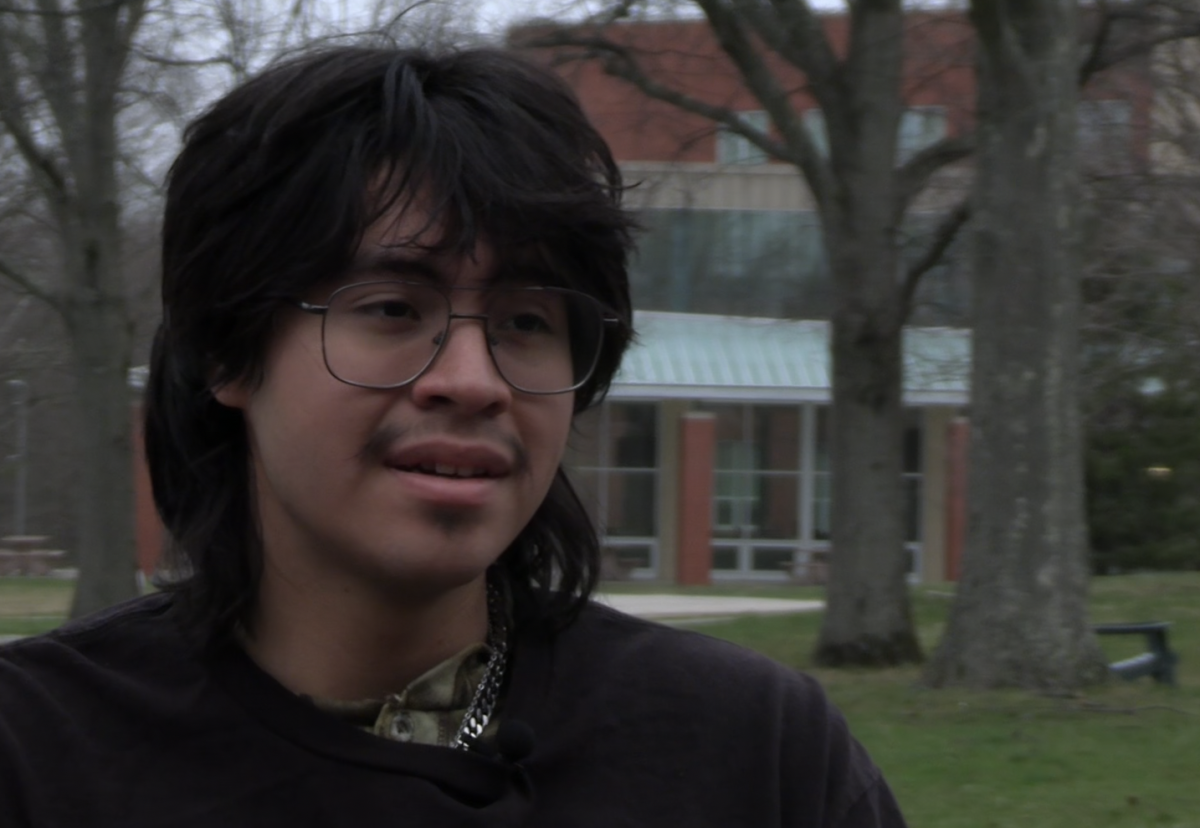
“It’s one of the pillars of Islam,” said Keya Farruqui, a student observing Ramadan this year. “During this month, you try to control yourself, pray more, help others and give to people who are in need.”
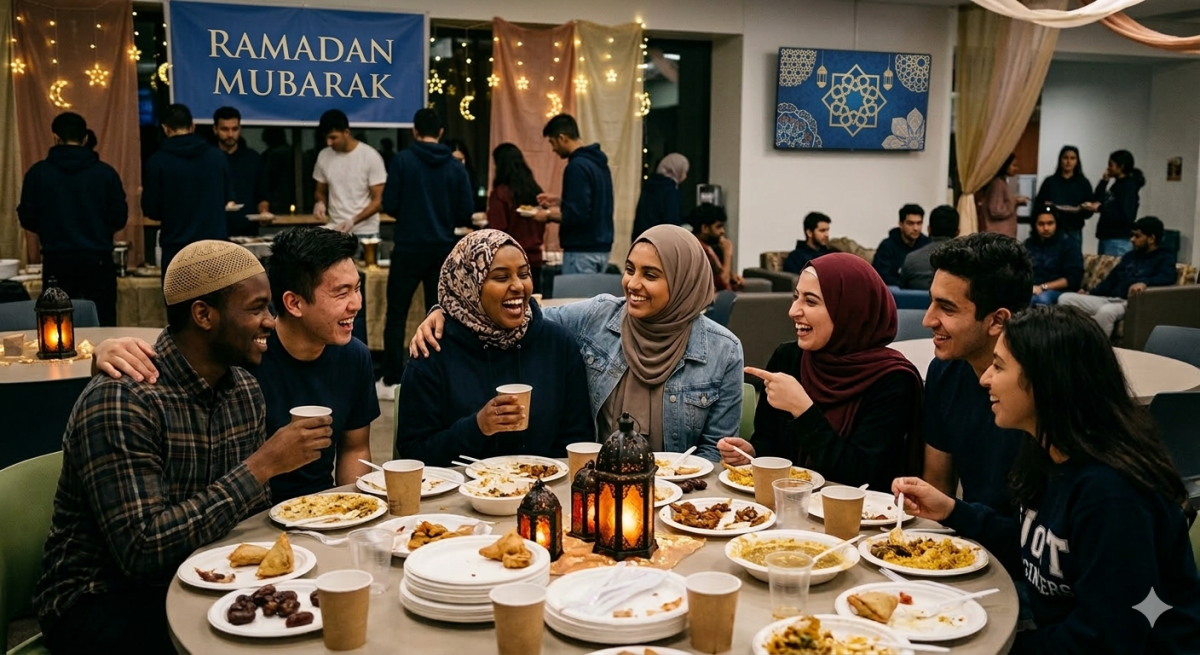
Students observing Ramadan begin their days early. Before sunrise, Muslims eat a pre-fast meal called suhoor, which provides energy for the day ahead. After sunset, they break their fast during a meal called iftar, traditionally starting with water and dates.
Farruqui said the routine can be challenging, especially while managing school.
“I usually break my fast with water and dates and then eat dinner,” Farruqui said. “It’s not always traditional food here, but it’s still meaningful.”
Despite the challenges, she says Ramadan remains a joyful time.
“It’s a special month,” Farruqui said. “You feel grateful to be alive and to have another chance to do good things.”
For Noora G. Almardahi, a student at SUNY Old Westbury, Ramadan represents an opportunity for personal renewal.
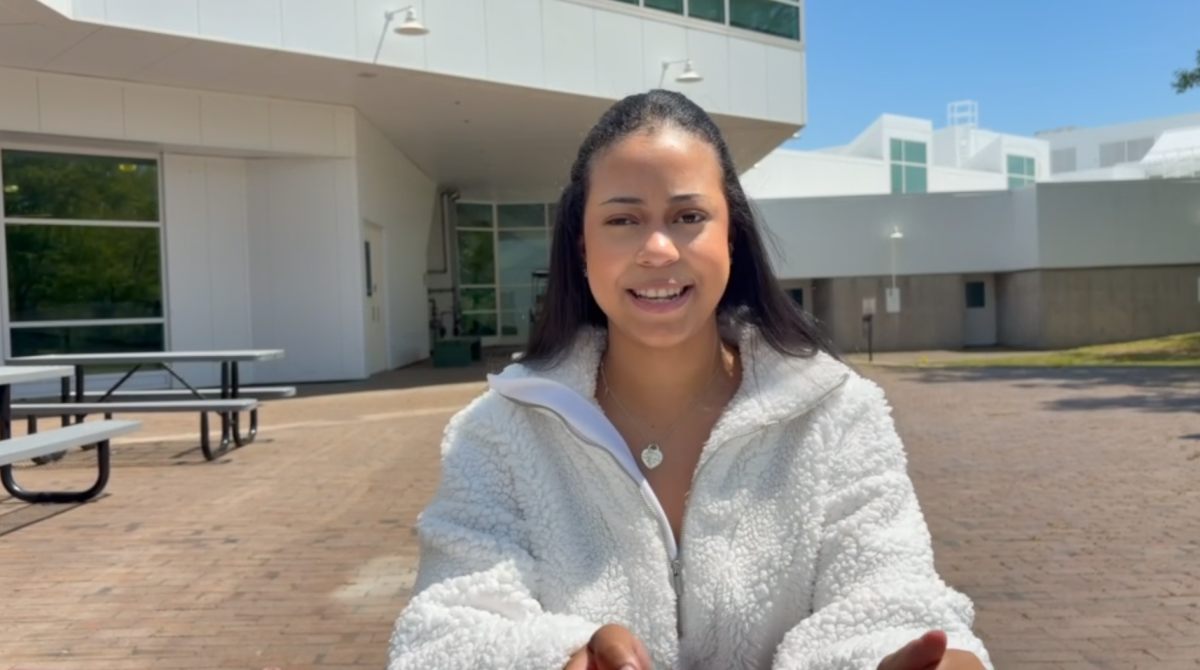
“Ramadan feels like a time where you can start over,” Almardahi said. “You can set goals for yourself and build better habits.”
During the month, Muslims are encouraged to avoid negative behaviors such as gossiping or arguing and instead focus on discipline and spiritual reflection.
“You’re fasting from dawn to sunset,” Almardahi said. “You’re not eating or drinking, but it is also about controlling yourself and becoming a better person — it is really about discipline.”
For college students, the challenge comes from balancing that discipline with everyday responsibilities.
“You’re managing school, commuting and classes while you’re hungry and thirsty,” Almardahi said. “Sometimes I’ll have to break my fast while I am on the way home.”
Many Muslims carry dates with them so they can break their fast at the exact time sunset occurs.
“The time is very specific,” Almardahi explained. “You break your fast right when the time comes, even if you’re on the bus.”
A typical day for Muslims, during Ramadan begins well before the sun rises.
“I wake up around 4:30 in the morning to eat before the fast starts,” Almardahi said. “Then I pray, commute to school, go to class, and manage everything during the day without food or water.”
Despite the physical difficulty, the moment of breaking the fast brings a sense of relief and reflection.
“Physically, drinking water feels so refreshing,” Almardahi said. “Emotionally, it feels good knowing you completed another day and that you are lucky enough to experience another Ramadan.”
Family and community are also central to the Ramadan experience. Many families cook and prepare meals together each evening before breaking fast.
“My family does everything together,” she said. “We cook together, set the table together and break out fast together.”
For students living away from family, that sense of community can be harder to maintain. Some turn to the university’s Muslim Student Association (MSA), which hosts iftar gatherings where students can break their fast together.
The campus dining hall provides Ramadan meal accommodations for students observing the fast.
“I think that’s really sweet,” Almardahi said. “It shows that the school is thinking about Muslim students.”
Both students emphasized that many people on campus are curious and supportive when learning about Ramadan.
“I think people should ask questions,” Almardahi said. “As long as you’re respectful, curiosity is a good thing.”
She also noted that non-Muslim students should not feel uncomfortable eating around those who are fasting.
“You don’t have to feel bad for eating in front of us,” she said. “We chose to fast.”
For Farruqui, the deeper purpose of Ramadan lies in reflection and spiritual growth.
“It is about prayer, helping others and being part of the community,” Farruqui said. “It brings happiness.”
As Muslim students continue observing Ramadan this month, their experiences highlight the balance between faith, discipline and daily life on campus–while offering an opportunity for the broader university community to learn more about the traditions that shape their peers’ lives.