











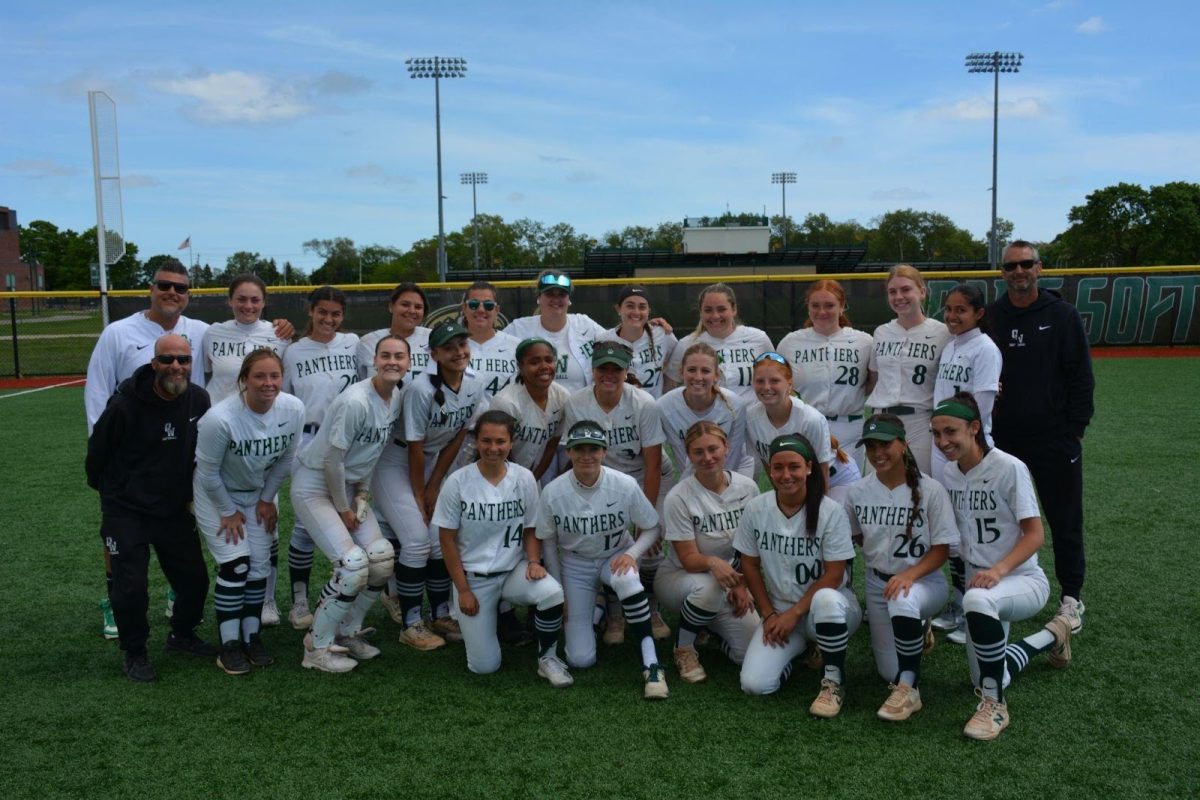













Every day students at Old Westbury come from all over the place to get to campus. Some may have a short commute from towns like Mineola or Garden City, while others could have a commute much longer from places like Queens, Brooklyn or Suffolk County. While residential students can start their day with homework or breakfast, an average commuter student can start their day with an hour of traffic.
At SUNY Old Westbury, commuter students make up the majority of the student body, with 4,448 students currently enrolled and only around 600 of them residing on campus, making around 85% of students commuters. The institution seems to understand this, with many commuter outreach programs available, as well as the university itself stating “off-campus and commuter students are an important part of our campus community.”
Unlike most residential Universities, Old Westbury is known for the commuter lifestyle, being marked by the flow of cars and buses in and out of the campus.And while the university is known as a commuter campus, commuter students can face challenges such as time management, isolation and campus engagement issues.
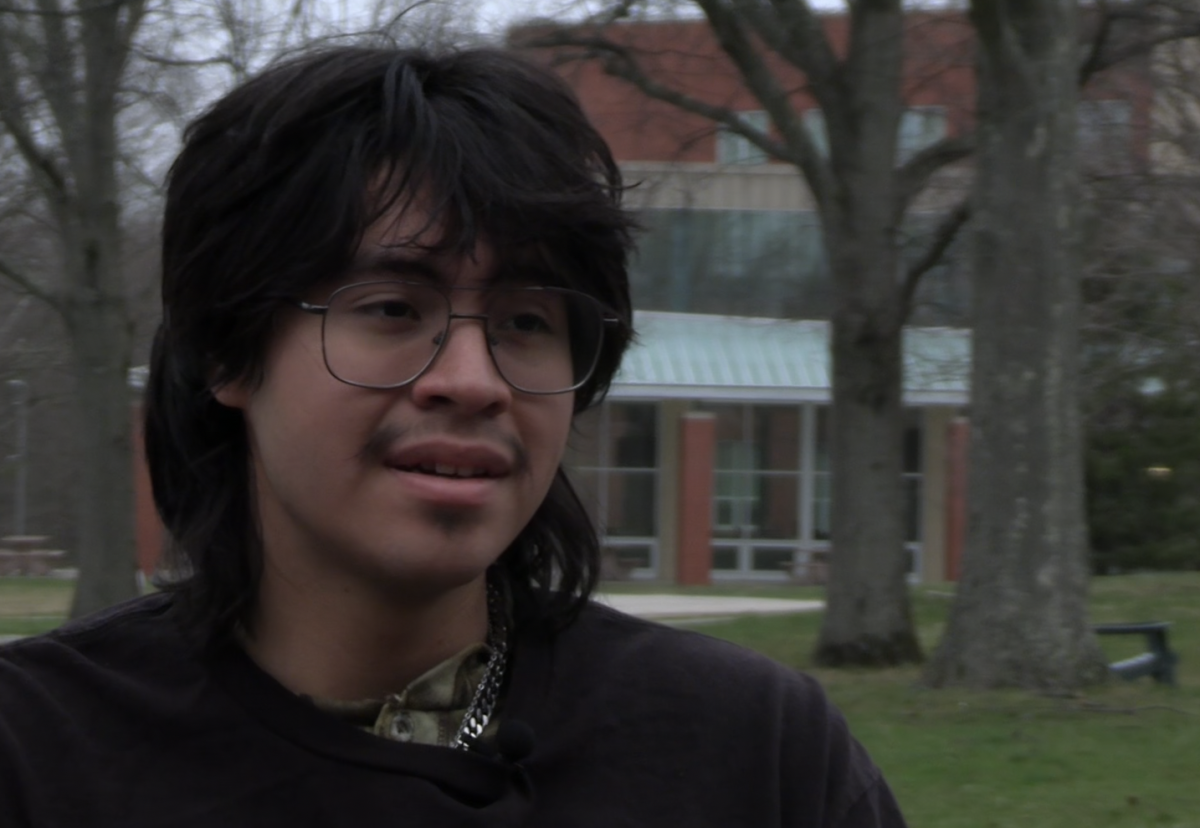
“I have to wake up extra early every day,” says junior Brandon Centeno. “If I were to sleep in, I’d definitely miss class, and it’s added extra pressure onto my daily schedule. You know, waking up has become a chore itself when I see the commute ahead of me.”
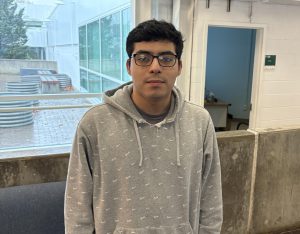
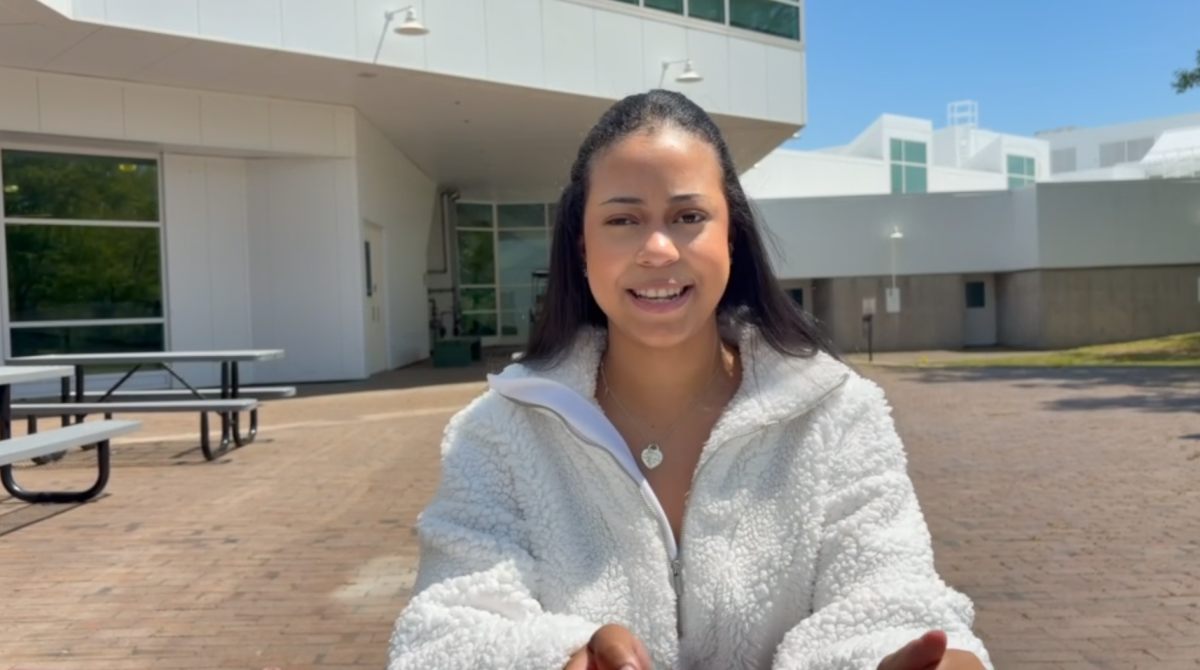
Other students echo these feelings. “I feel like I might spend more time in my car in between classes than I do actually on campus,” said Danny Lopez, a senior at SUNY Old Westbury. “Having a break between classes almost makes me mad because there is nothing to do. I see some people hanging out, but it never feels worth it as I’m just tired from work and school.”
This brings up another part of the issue. Commuters having trouble staying connected with campus life isn’t just about interest or courseload, it’s about balance especially for the ones who work while they are in school.
“I work almost thirty hours a week on top of school,” said Centeno. “Thirty hours might not sound like a lot, but trust me when you have a full schedule on top of that it adds up and makes me crazy. I don’t have the option to not work, and when you have to do schoolwork and have a job, getting involved on campus seems like something that would make no sense for me.”
As an institution designed to engage with commuter students, it seems like it should be impossible for students to feel like Centeno. Assets such as the Office of Commuter Outreach, the Panther Pad, game room and more make it seem like there is no more to be done for commuter students. But this is false.
“It’s hard to even make friends with how busy I am, and if I even see a flyer for an interesting club it would just add more onto my plate which I can’t afford,” said Centeno. “It’s hard to even make friends with how busy I am, and if I even see a flyer for an interesting club it would just add more onto my plate which I can’t afford,” said Centeno.
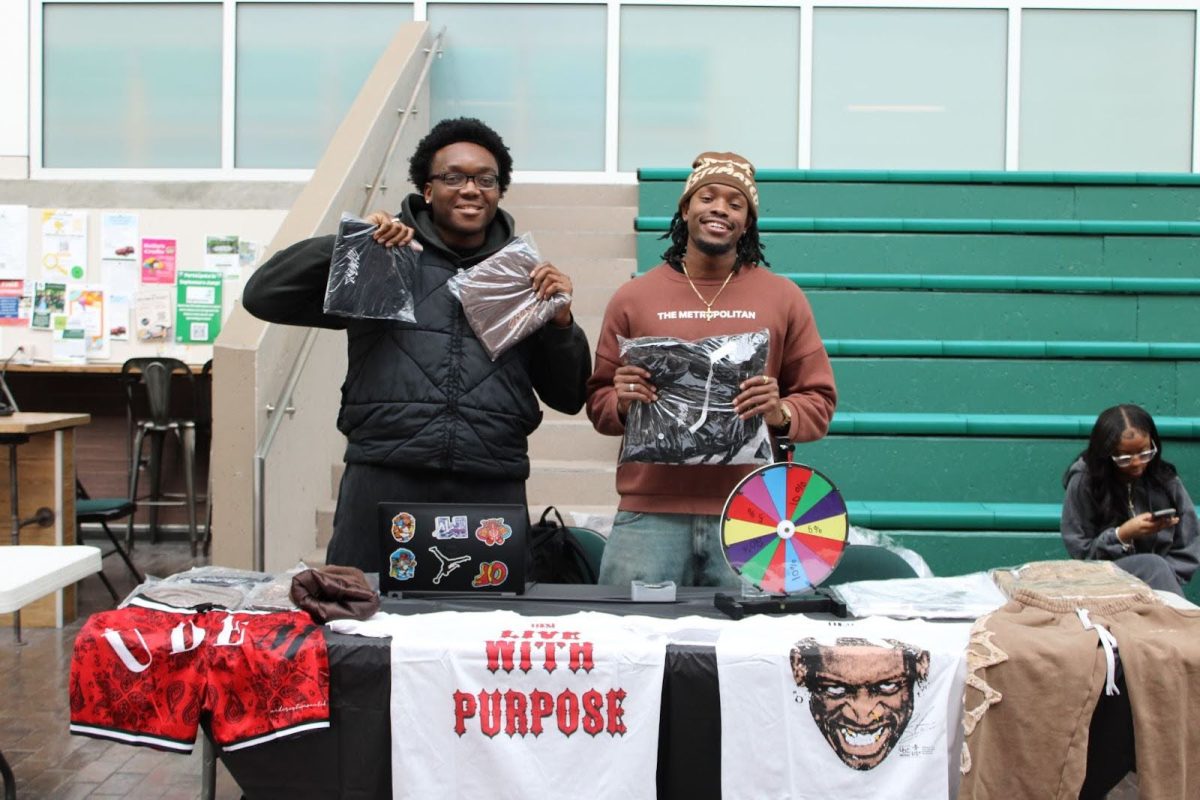
Since most students are commuters like Centeno and Lopez, there must be another way to help out and get them involved. Whether it’s moving around club and event meeting times or giving more notice before events, more attention should be paid to the majority.
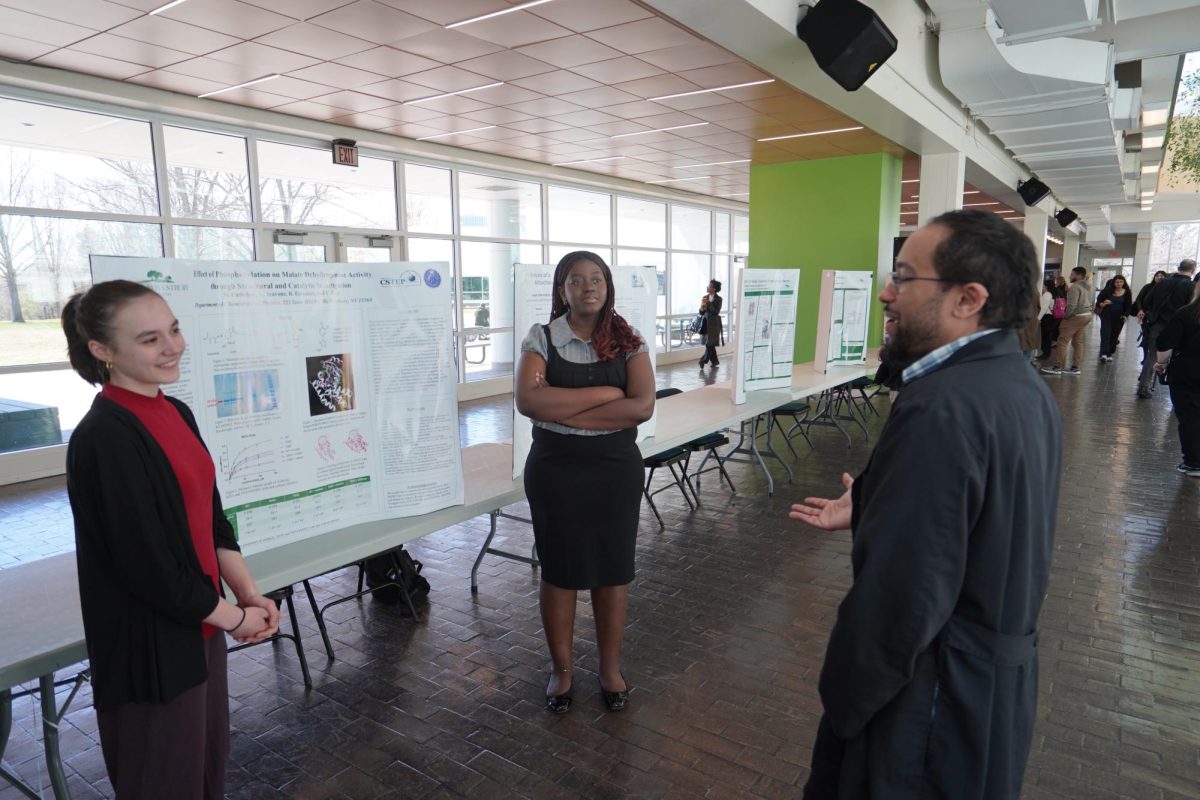
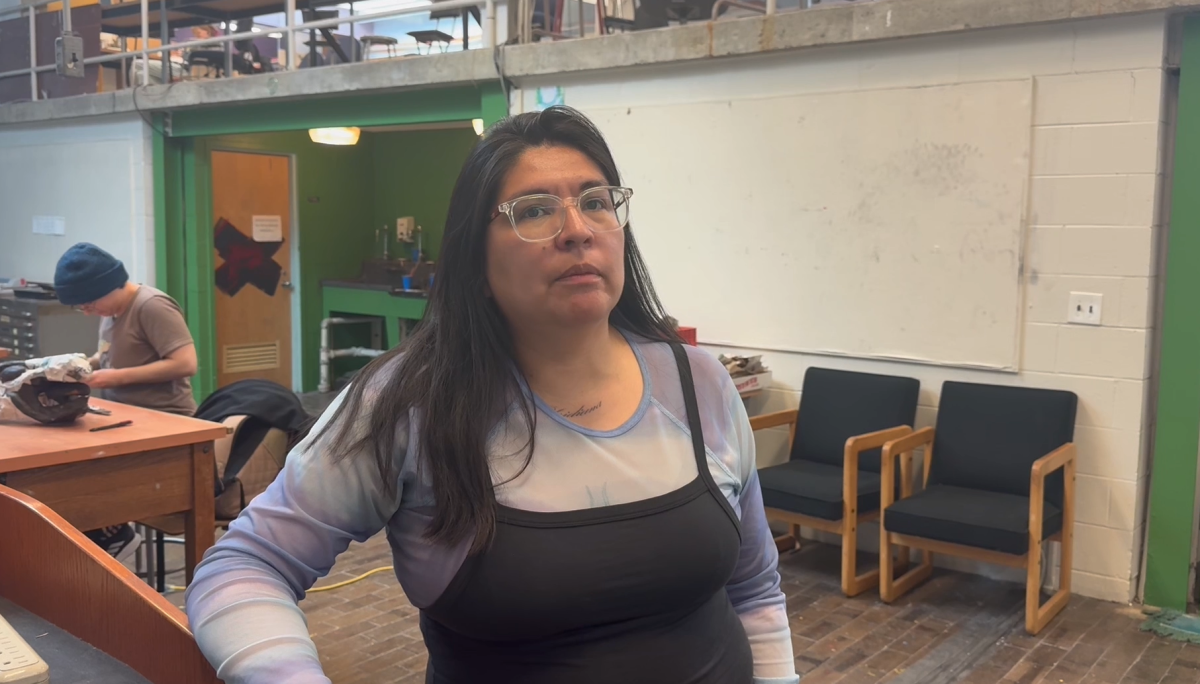
“There needs to be something that says, ‘Hey stop by!’ as I feel like I hear about these events all the time after they’ve actually happened,” said Professor Marty Cooper of the Psychology Dept. at SUNY Old Westbury. “There may be time constraints due to everyone having a different schedule, but maybe host multiple events then? We have this gorgeous space at our disposal.”
From my observation, at least Cooper brings along valuable points, and some of his ideas seem promising. As a community it is important to support commuter students such as Centeno and Lopez.