








There’s a familiar saying: “Eyes are the window to the soul.” While this holds truth, there’s a motto that reflects Harmonia-Discordia’s philosophy: Writing is the window to the soul.
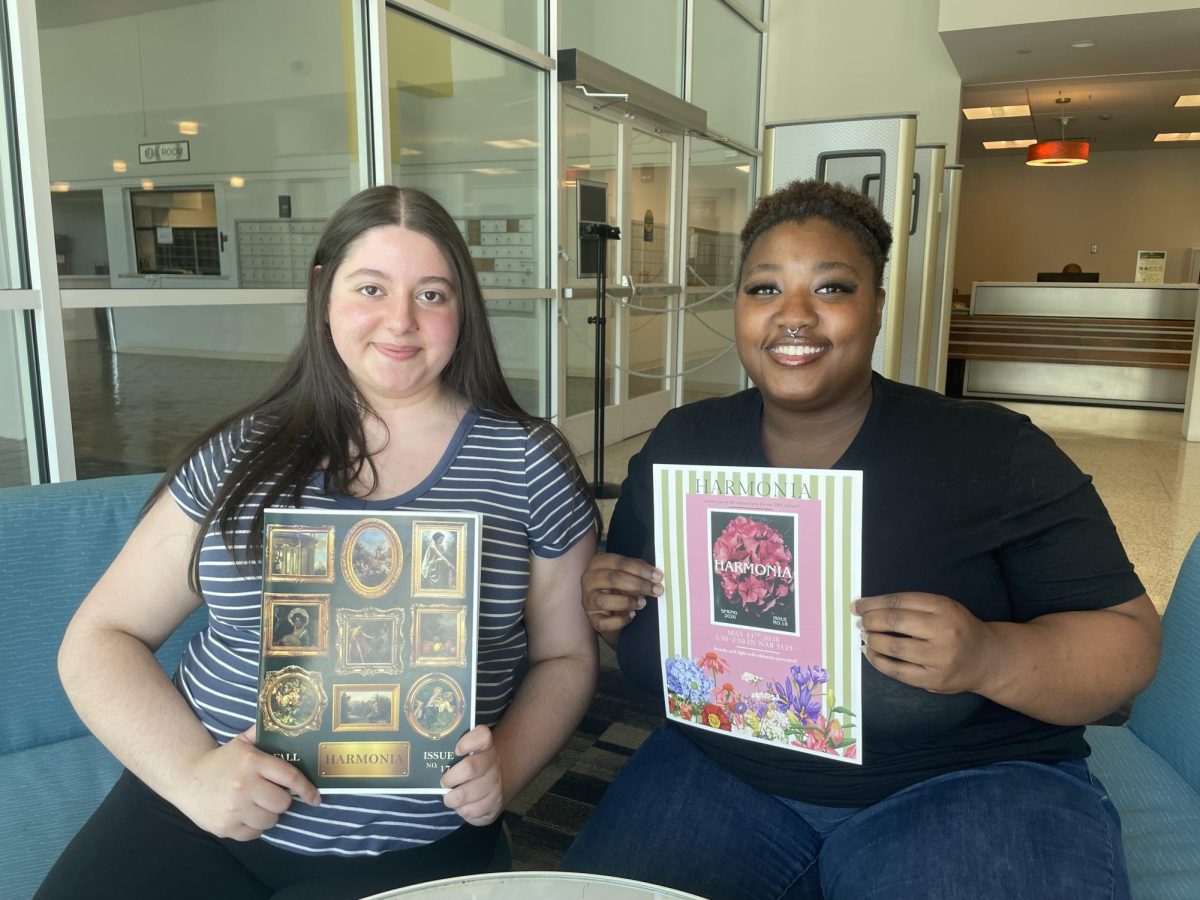
On Monday, Dec., at 1:30 p.m., in the New Academic Building room 3123, Harmonia-Discordia will be hosting a release party for their newest issue of Harmonia-Discordia, the creative writing journal of the English department.
At the event, Harmonia-Discordia will be giving out physical copies of the latest edition of their creative collection of student-made works of literature. Snacks plus refreshments ranging from savory, sweet delicacies to soda will be offered as students do readings of their work.
What is Harmonia-Discordia?
Harmonia-Discordia is a joint organization that aims to publish creative writing and academic writing alike.
Harmonia, a name that references the Greek goddess of peace, harmony and concord, is the English Department’s creative writing journal that publishes poetry, lyrics, short stories and artwork.
Discordia, a name that references the Roman goddess of entropy and chaos, is a scholarly journal that publishes things like book reviews, analysis papers and research papers. It was founded by Dr. Jessica Williams in 2013.
Harmonia was founded by two students in 2003, Jessica Williams and Meredith Lehrman– Williams, the latter of whom would become a full-time Assistant Professor in the English department at SUNY Old Westbury and serve as faculty editor for Harmonia and Discordia until 2020.
The torch in 2020 was passed onto Dr. Elizabeth Schmermund, a full-time assistant professor in the English department who became the faculty advisor and editor for both Harmonia and Discordia.
Why merge the magazines?
In the fall of 2024, it was an executive decision to merge the two clubs under the mantle of Harmonia-Discordia.
“Discordia did not have as much demand as Harmonia, the club did not want to deplatform the handful of important academic work our very intelligent students submit every semester,” said Lori Yamond, the president of Harmonia-Discordia as of Fall 2025.
The community of Harmonia-Discordia
The community of Harmonia unites everyone under the passion and love for writing and self-expression.
“I was mainly compelled by the object of being published, but I soon realized I was sticking around for every club meeting and becoming an editor for the magazine because I loved the community it connected me with,” Yamond said.
And while Yamond has only run the group a short time, the experience has impacted her deeply.
“I never expected to fall in love with it the way that I did,” she said. “I never expected it to lead me to spring afternoons on the campus lawn with friends or lead me to this current moment as the club and magazine’s president.”
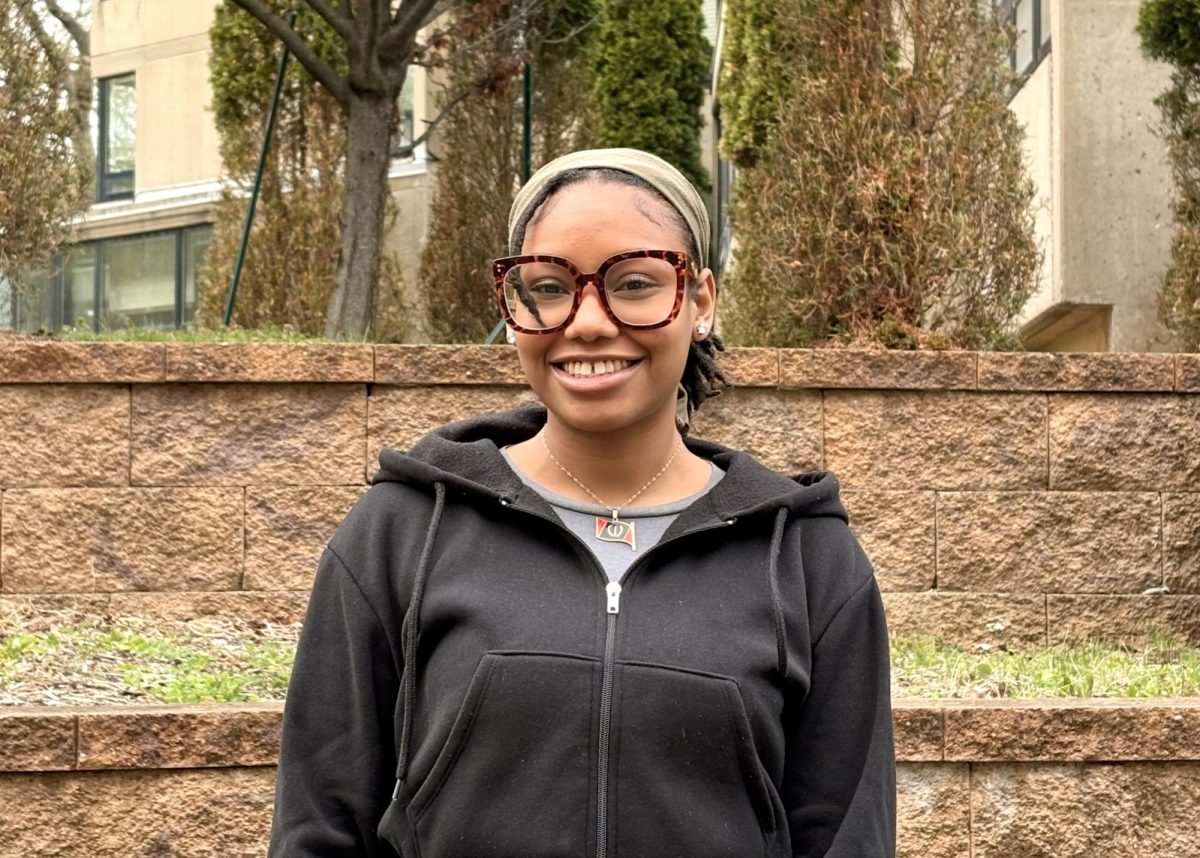
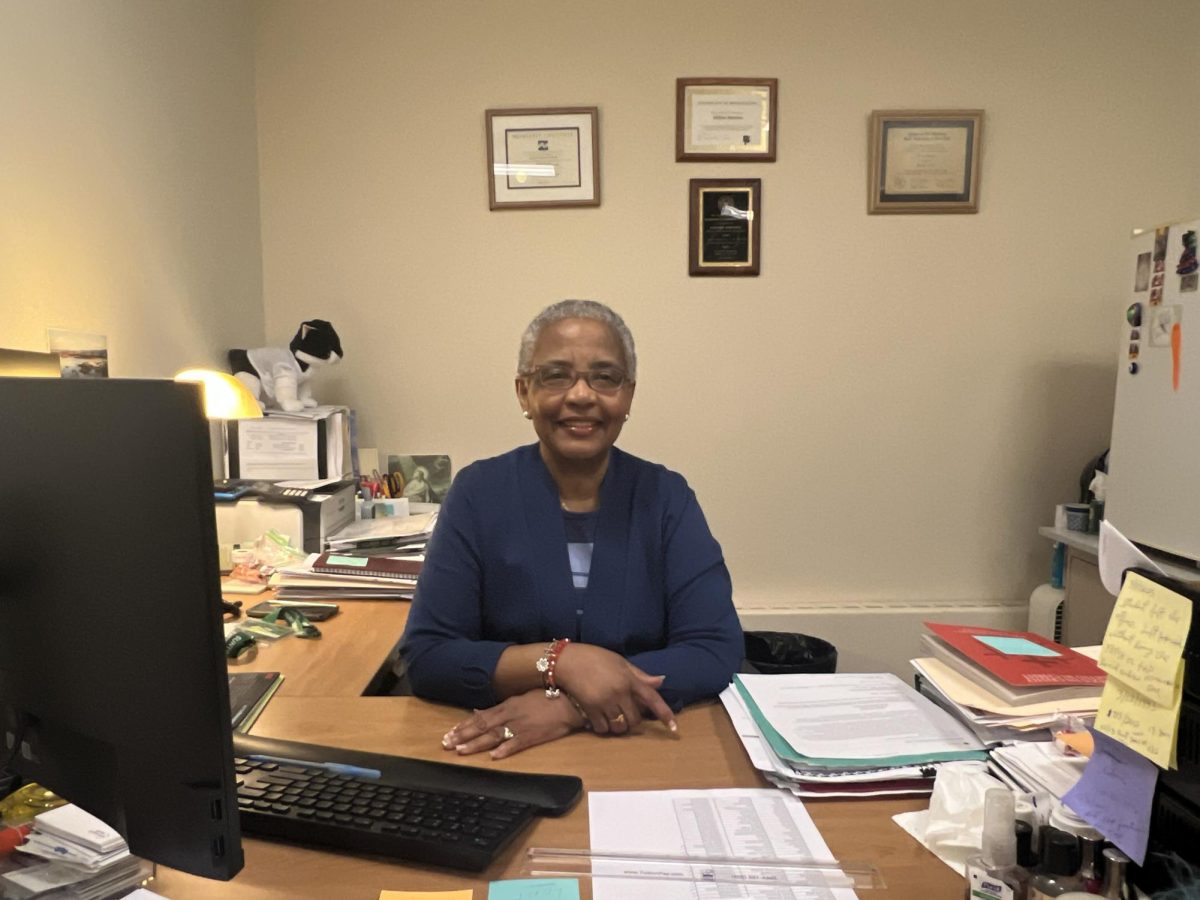
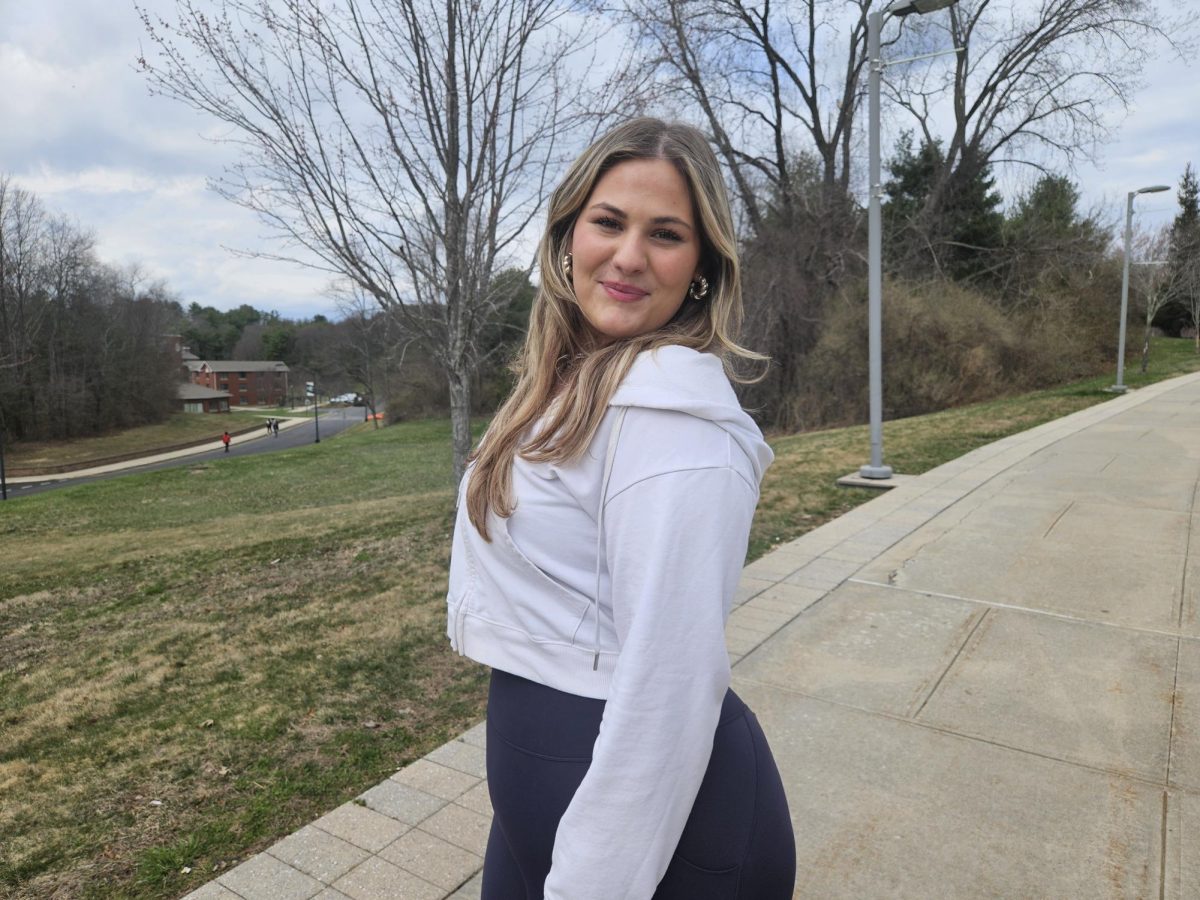
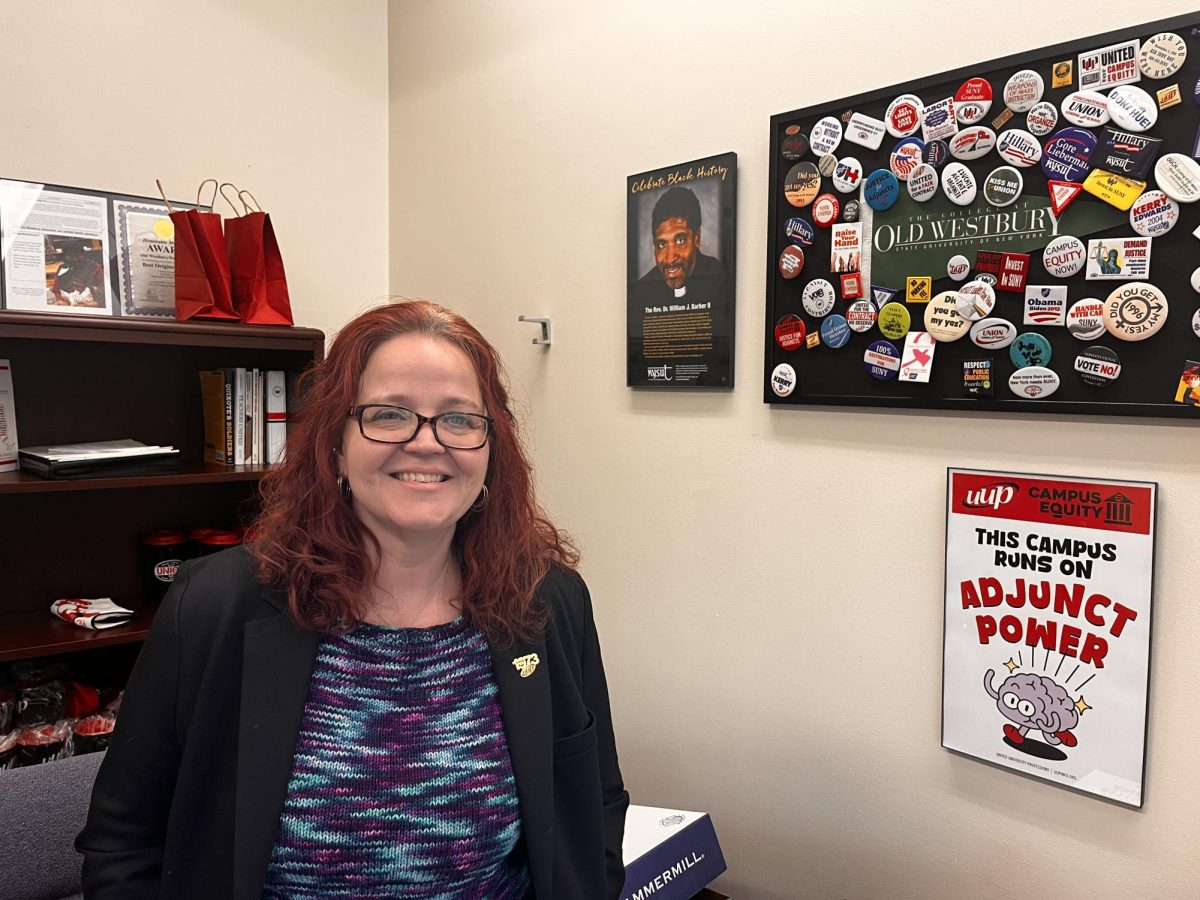
Harmonia-Discordia has around 13 consistent members as well as group leaders. In addition to Yamond, Caitlyn Page serves as vice president, Magaly Garray is the treasurer and Mallory Vannoni serves as the public relations manager.
These four women unite together in a progress of chaos, determination and eager joy to make the club thrive abundantly.
The theme of the new edition
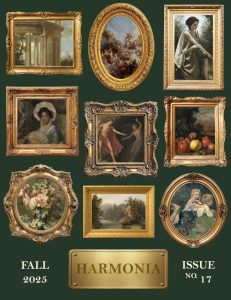
This year’s aesthetic theme for Harmonia-Discordia was a difficult choice. Student artwork had been scarce in submissions. Hence, Yamond and Page took it upon themselves to dive into graphic design, deciding on a museum theme.
“The museum theme intends to capture walking through living works, honoring the preservation of art, especially the art of writing an time when censorship is on the rise and AI is threatening to dismantle, or deplatform, human artists and art,” Yamond said.
There are a huge number of stories, poems, lyrics and more featured within the new issue. With a wide array of genres, Harmonia-Discordia aims to exhibit every kind of writer, act as a place where every kind of writer can find a name for themselves or put themselves out there without restrictions.
Harmonia-Discordia acknowledges that the writing process looks completely different from formal and informal writing.
Academic writing reaches feats of concise structure, literary theories, and the synthesis of scholarly sources, whereas creative writing has a focus on emotions, experiences, and has a free-flowing or open-ended writing process.
“When I write academically, I force myself to say something urgent about a work of literature,” Yamond said. “But, when I write creatively, I force myself to say something urgent about the world, my life, my damage, my love, my family and even about my body.”
The previous issues are a time capsule published online. Past and present issues can be accessed online on the official website at OWEnglishWrites.Wordpres.com
Harmonia-Discordia fall 2025 release party. 1:30 p.m. on Monday, Dec. 1 in NAB room 3123 at SUNY Old Westbury. Free admission.