
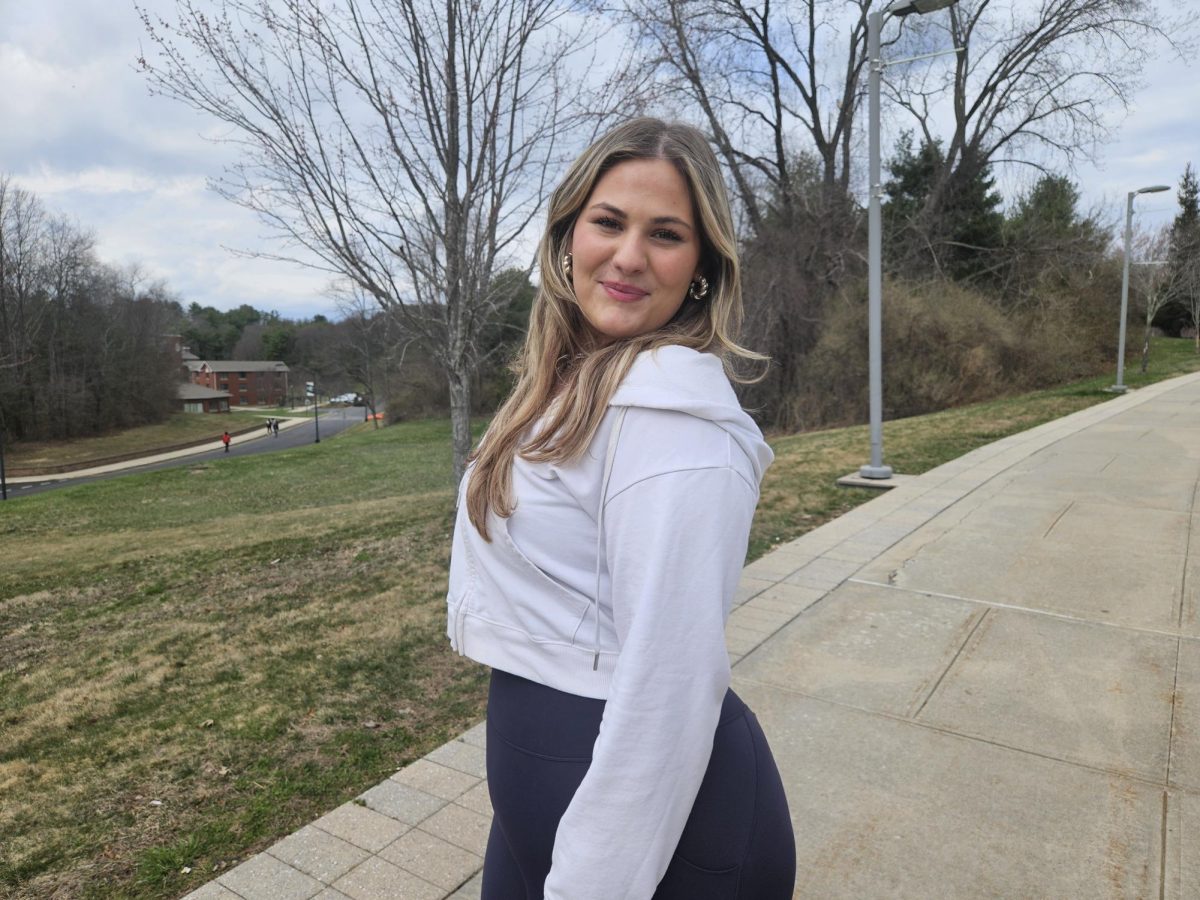










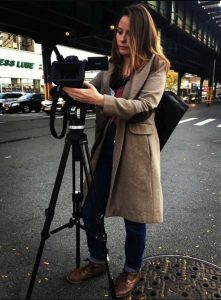
Brianne Barry is a SUNY Old Westbury alum as well as an Emmy and Edward R. Murrow Award-winning journalist. When she returns to campus Mon., Feb.9 to speak, she will not be just coming back to talk about her career but to talk about the future of journalism itself.
Barry will have a talk that is focused on multimedia journalism in today’s rapidly evolving media landscape. Drawing from her 13-year career across broadcast, digital, and social platforms, Barry plans to explore the realities of modern journalism.
“I’m coming down to talk about multimedia journalism in today’s industry – the pros and cons, the challenges and the successes,” Barry said. “But also journalism as a whole, and why it’s important even if you’re not entering the industry as your job.”
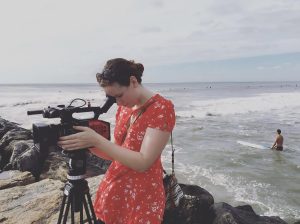
Barry’s career has included high-profile moments such as interviewing Hillary Clinton, climbing the George Washington Bridge, and reporting from a helicopter, to her present job at Marist University where she works as an adjunct professor.
She said the most meaningful moments have not been the flashiest. Instead, they have been quieter, more personal exchanges with people who trusted her enough to share their stories.
“A lot of work I’ve done centers around voices that are traditionally underrepresented in the media,” Barry said. “When you can see someone’s walls come down and know they trust you to tell their story and that’s when I always felt validated that I was doing the right thing.”
The emphasis on trust and perspective traces back to her time at SUNY Old Westbury. Barry credits the campus’s diverse student body and classroom discussions with shaping how she approaches storytelling today.
“You’re exposed to so many different perspectives there,” Barry said. “It challenges you to step outside of your own narrow vision – and that’s essential in journalism. Everyone has bias. The key is identifying it, acknowledging it and challenging it.”
During the talk, Barry will also address long-form and investigative storytelling — areas she is especially passionate about. In a media environment driven by speed and headlines, she believes depth and context matter more than ever.
“So often, the news just scrapes the surface,” Barry said. “There’s always a deeper story. Long-form pieces give you the space to explain what’s really going on instead of just triggering an emotional reaction.”
Barry plans to discuss how journalists today balance attention-grabbing formats with meaningful reporting, especially as audiences increasingly consume news through short-form content and algorithm-driven platforms such as social media. Because of that, she said, journalism is more important than ever in helping the public determine what is real.
For students interested in journalism, media, or storytelling of any kind, Barry emphasized that the most important skills are timeless ones: listening, observation, flexibility and practice.
“Your skills shouldn’t be dependent on your tools,” Barry said. “Technology will change, but listening, observing and being open to different perspectives – that’s what will carry you through.”
Ultimately, Barry said she hopes students leave the event feeling less intimidated by journalism and more empowered by it.
“Journalism isn’t fancy or unattainable,” Barry said. “It’s created by humans, for humans. And everyone, in some way, is part of it.”
Media Mentors, Alumni Spotlight series. Brianne Barry: From the Field to the Story. Mon., Feb. 9, 1:30 p.m. in NAB 1100. Light refreshments will be served.