
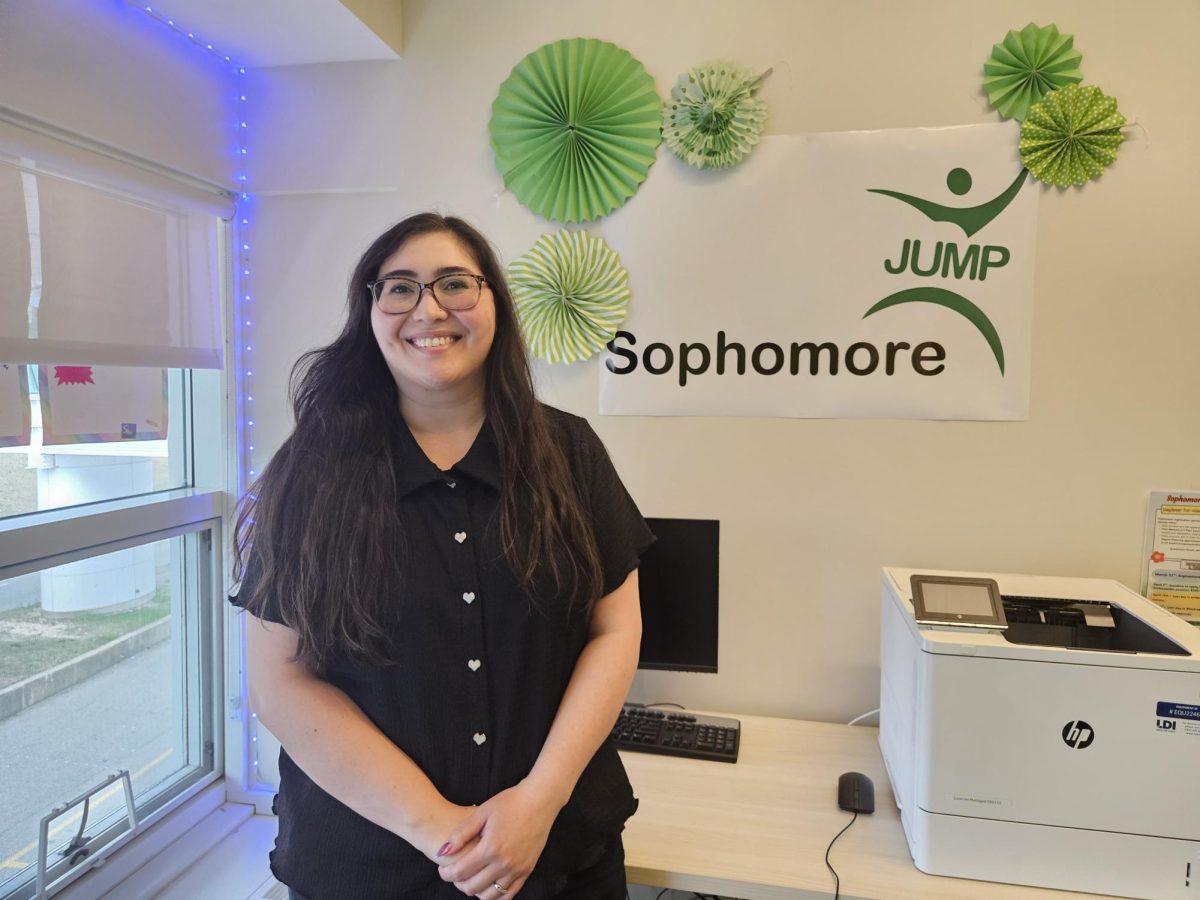
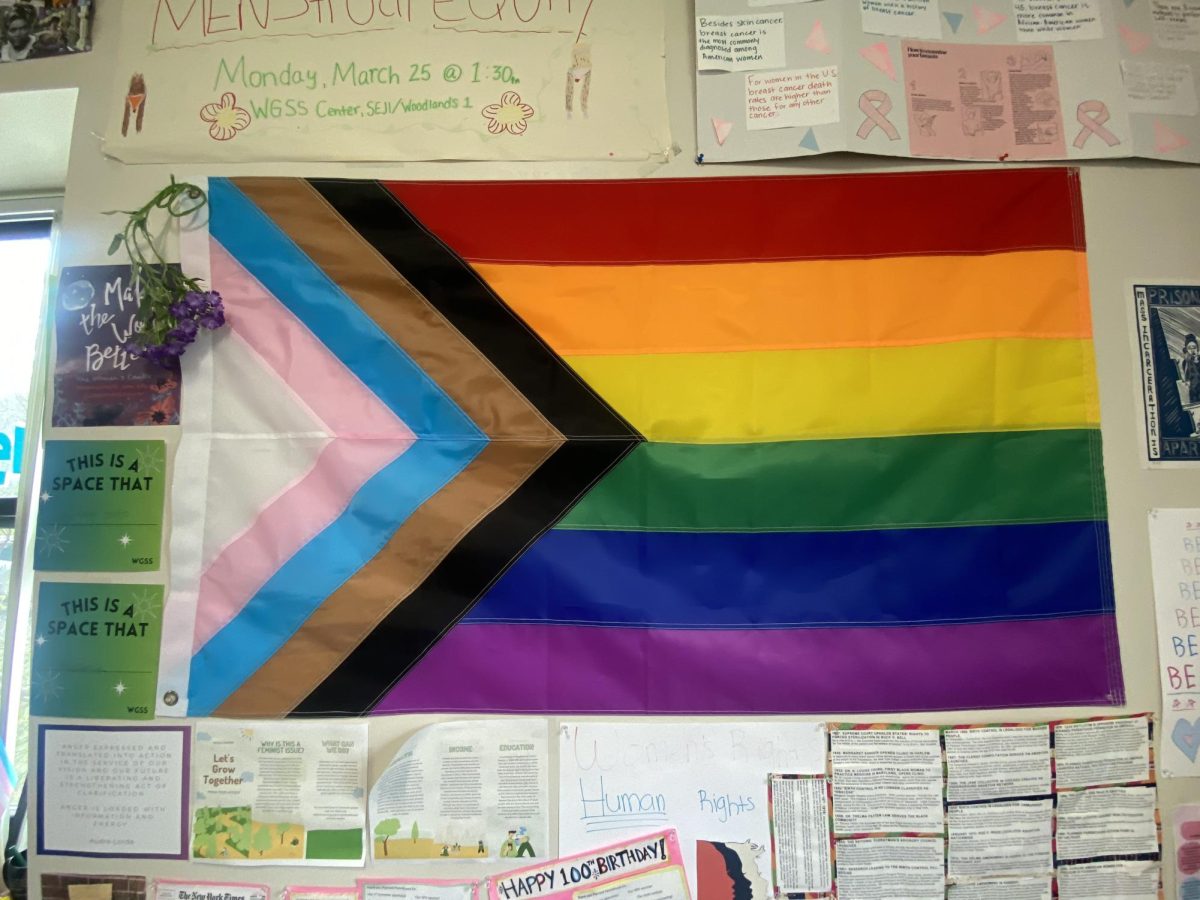

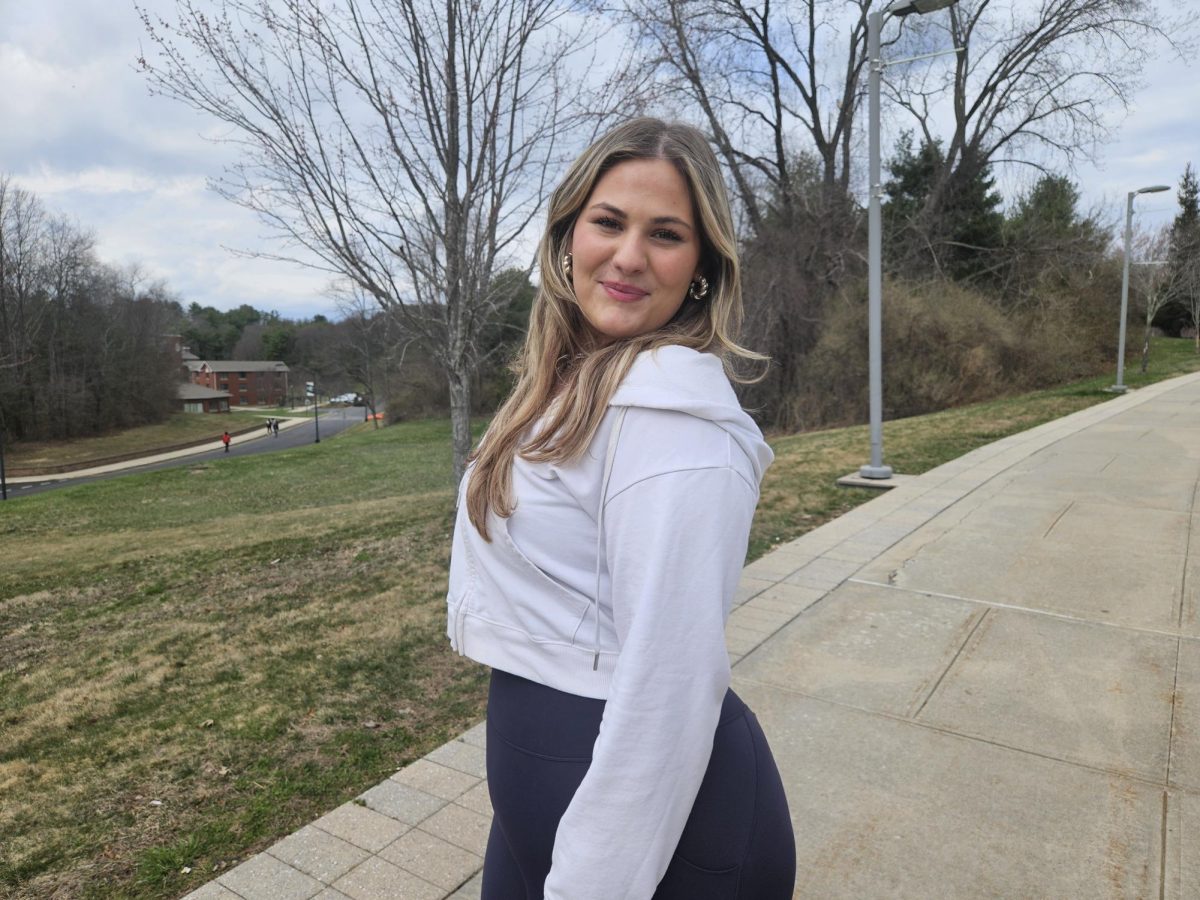








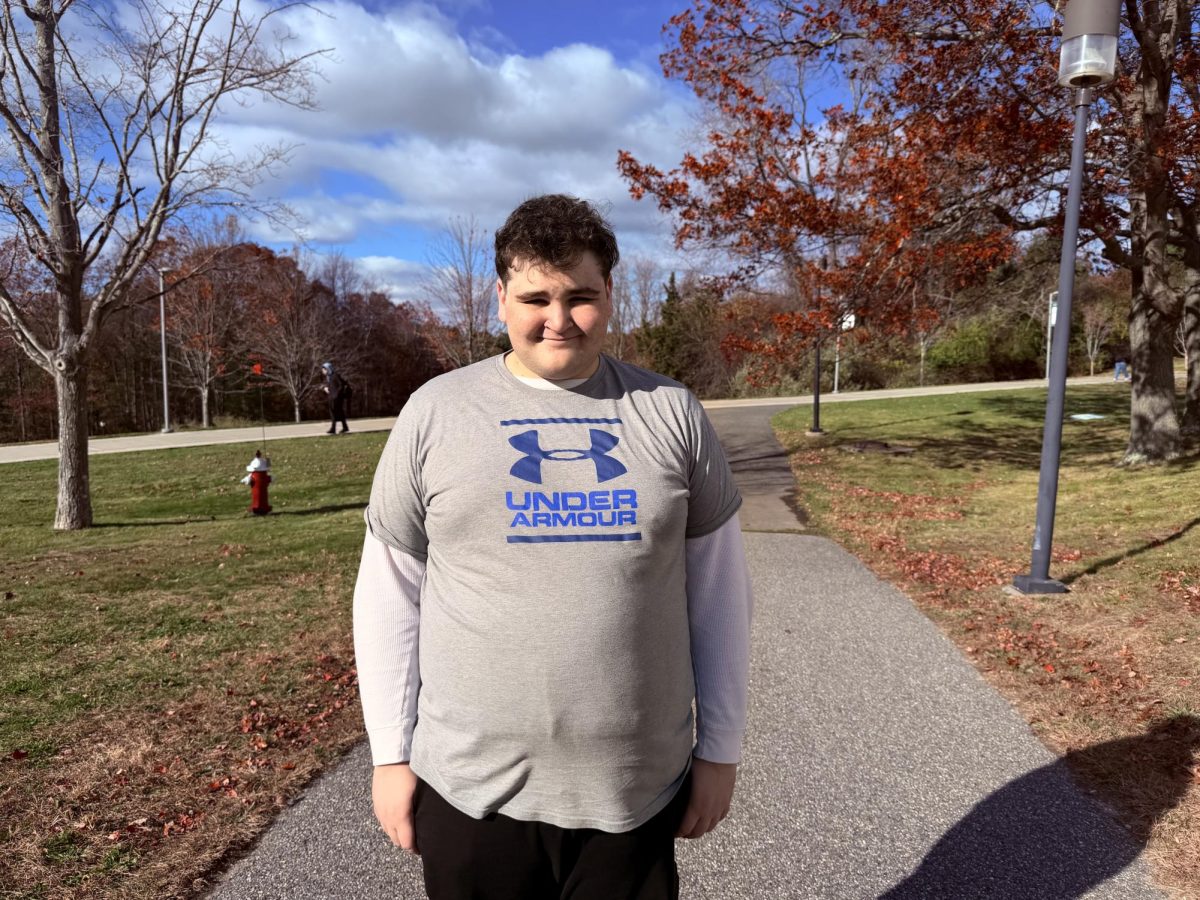


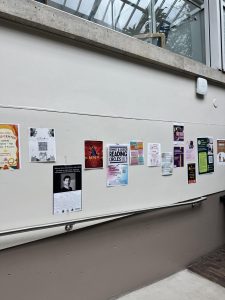
When student Alyssandra Membreno hung a small flyer outside the Women’s, Gender & Sexuality Studies Center, often referred to as WGSS, nobody expected it to turn into something bigger. The poster didn’t have a name or a list of officers — just a barcode and the words: “Scan here if you’re interested.”
Within weeks, students began stopping by. Some came out of curiosity, others out of need. What started as an idea for an internship project quickly became a student-driven community. They called it the Trans Collective—a space where trans, nonbinary and gender-diverse students could finally exhale.
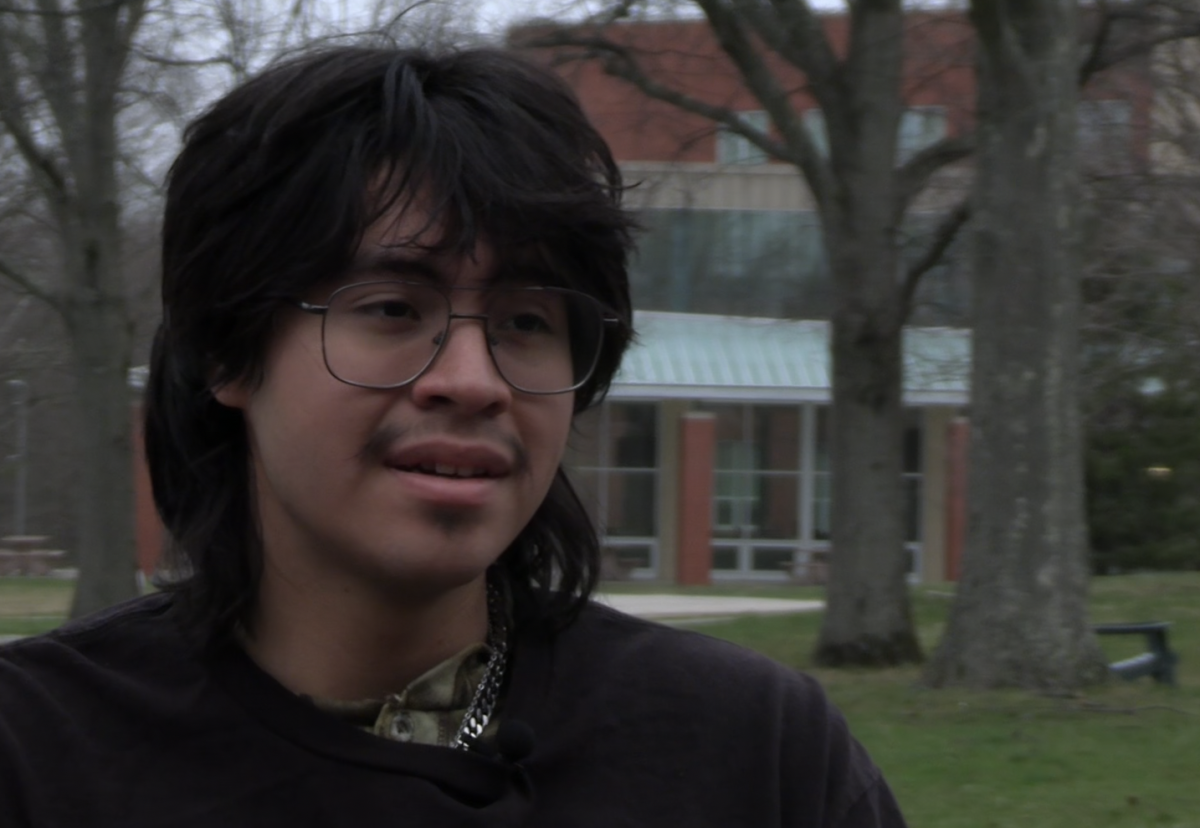
“I wanted this to be a collective thing,” Membreno said. “It’s not my group. It’s transpeople on campus coming together. I didn’t want to make it about a leader — it’s about all of us.”
The flyer’s barcode was intentional too—both symbolic and practical.
“The barcode was safer,” Membreno said. “If a trans student isn’t out or is still figuring things out, they can just scan it privately. It’s about protecting people’s comfort.”
DRAKOPOULOS
The idea for the Trans Collective was born out of conversations between Membreno and Professor Jillian Crocker, who advises the WGSS Center. Both noticed that while Old Westbury offered LGBTQ+ programming, there wasn’t a specific space for trans and nonbinary students to meet, share experiences and exist without judgment.
“This isn’t a faculty project,” Crocker explained. “It came from recognizing the need for the trans community on campus. The structure is non-hierarchical—students define what it becomes.”
Membreno said they emphasized that approach from the start.
“I never wanted this to feel like a club with rules or officers,” Membreno said. “It’s a hang-out, not a meeting. Sometimes it’s deep; sometimes it’s just fun.”
A 2024 Trevor Project survey found that 65 percent of transgender and nonbinary youth experienced discrimination in the past year due to their gender identity.
While 1.7 percent of U.S. college students identify as trans or nonbinary, many say their schools do not offer sufficient resources or support.
According to the Pew Research Center, about 5 percent of people under 30 in the U.S. identify as transgender or nonbinary — a number that has risen as awareness and visibility grow.
“College can already be stressful — classes, jobs, commuting,” Membreno said. “Then imagine also having to explain your gender identity or correct people about your name every day. I wanted to build something that felt safe, where you could just exist.”
Membreno also noted how being a commuter students adds to the feeling of distance.
“When you’re not living on campus, it’s harder to find your people,” Membreno said. “Having a place to walk in and instantly feel seen means a lot.”
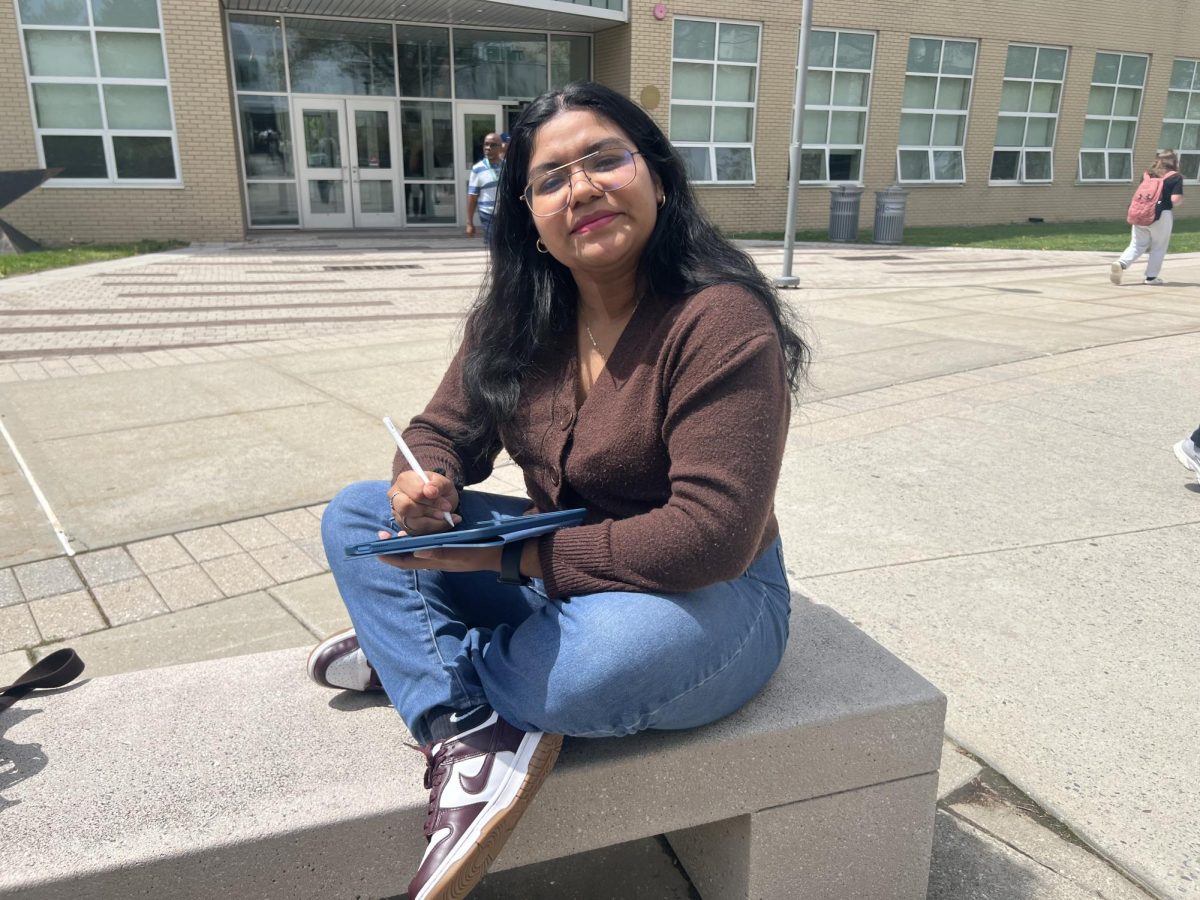
For student Elio Bittman, that sense of belonging has been life-changing.
“Being in a space where everyone has different experiences but one shared identity — it’s freeing,” Bittman said. “I don’t have to answer uncomfortable questions about my gender. I can just be myself.”
Bittman has spent months trying to change their display name on platforms like Zoom, Brightspace and Outlook.
“There’s no clear process,” Bittman said. “I’ve emailed multiple departments. I want to make it easier for the next student.”
Membreno agrees this issue needs attention.
“Something as small as seeing your real name on a screen matters,” Membreno said. “Faculty should know that too — it’s not just about paperwork; it’s about identity.”
Trans Collective hangouts vary from week to week. Some include open discussions about gender identity, others focus on art projects or mental-health check-ins. But what stays consistent is the feeling of comfort and joy.
Crocker said one of the most meaningful moments came during the first meeting.
“Students showed up just to hang out,” she recalled. “That simple act — showing up — proved the need for this space.”
The group has already sparked conversations about larger changes.
“We need professors and administrators who listen to us,” Membreno said. “I’ve had people tell me they want to support, but they don’t know how. It starts with small things — asking pronouns, using the right names and just showing respect.”
Crocker hopes the group will continue to evolve beyond this semester.
“Whatever students want it to become, I’ll support that,” Crocker said. “If it’s a hang-out, if it’s advocacy, if it’s celebration — that’s their decision.”
Membreno shares that vision.
“Even if five people show up, that’s five people who feel a little less alone,” Membreno said. “I think that’s how change starts — small, but real.”
What began as a simple flyer with a barcode has become something larger — a sanctuary where identity, conversation, and courage coexist. Now, every Thursday afternoon, laughter spills from the WGSS Center as students talk, snack, and build community. There are no judgments—just people who finally feel at home with a simple message to share.
“You are trans enough,” Membreno said.